
Plants make food from light using a secret power called photosynthesis. Every green leaf in your backyard is a tiny sugar factory that works for free. They take sunshine and turn it into the energy that keeps almost every living thing on Earth alive.
The short answer is that plants use sunlight to mix water from the ground with a gas called carbon dioxide from the air. This mix creates a type of sugar that the plant eats to grow tall and strong. While they make this food, they also let out oxygen, which is the very air we need to breathe every single second. It is a perfect trade that happens in every forest and garden.
Where does the green color come from?
If you look closely at a leaf, you see a bright green color. This color comes from a special stuff called chlorophyll. Think of chlorophyll like a tiny solar panel. It sits inside the leaf and waits for sunbeams to hit it so it can start working. Without this green stuff, the plant could sit in the sun all day and still starve to death.
Chlorophyll is very picky about the light it likes. It loves to soak up red and blue light from the sun. But it does not like green light at all. Instead of taking the green light in, it bounces it back toward your eyes. That is why the whole world looks so green and lush when you go for a walk in the woods.
Inside each leaf, there are millions of tiny parts called chloroplasts. These are like the actual kitchen where the cooking happens. They hold the chlorophyll and keep it safe while it catches the sun. It is amazing to think that a single blade of grass has millions of these little kitchens working at once. You can learn more about how photosynthesis works by looking at the biology of these tiny cells.
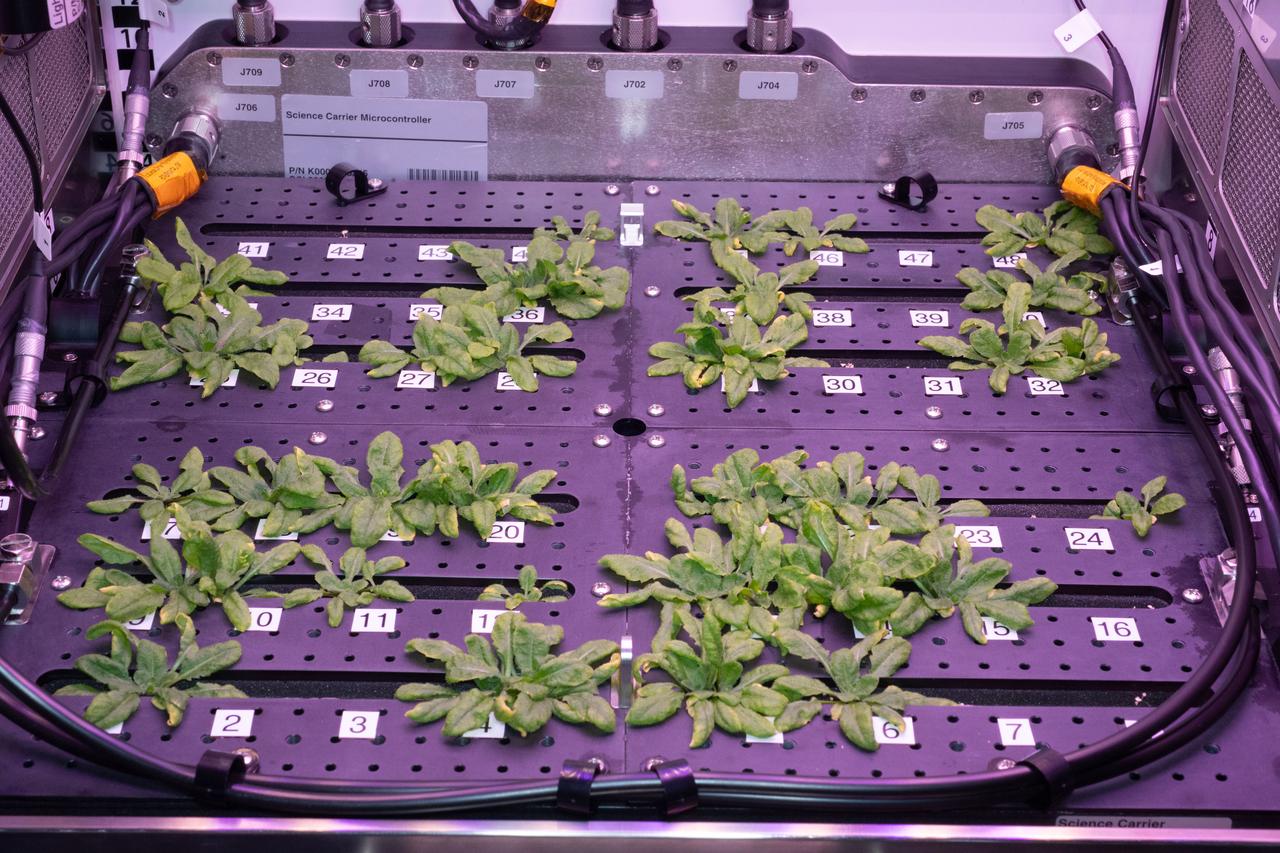
The three main ingredients for plant food
To make a meal, a plant needs three things: light, water, and air. The light comes from the sun, but the water has to come from the soil. Plants have long roots that act like drinking straws. They pull water up through the stem and send it out to every single leaf. Even a giant tree that is a hundred feet tall can pull water all the way to the top.
The air part is even cooler. Leaves have tiny holes on their undersides called stomata. You cannot see them without a big lens, but they are there. They open up to breathe in carbon dioxide. This is a gas that people and cars breathe out. Plants take what we do not want and turn it into something useful.
Once the plant has the light, the water, and the gas, it is ready to cook. The energy from the light breaks the water and gas apart. Then it puts the pieces back together in a new way to make glucose. Glucose is just a fancy word for a simple sugar. It is the fuel that helps a tiny seed turn into a massive oak tree over many years.
How plants store their extra energy
Plants are very smart about saving for later. They do not always eat all the sugar they make right away. Sometimes they turn the sugar into starch and hide it in their roots or seeds. When you eat a potato, you are actually eating the extra energy a plant saved up months ago. It is like a battery made of food.
This storage is what helps plants survive when the sun goes away. In the winter, many trees lose their leaves and cannot make new food. They live off the sugar they stored during the long, sunny days of summer. This is also why we see the Bitcoin price drop in November looks like past crashes when people talk about cycles in nature and money. Everything has a season of growth and a season of rest.
Some plants store food in fruits like apples or berries. They do this to trick animals into eating them. When a bird eats a berry, it carries the seeds to a new place. The plant gets to spread its family, and the bird gets a sweet snack full of sun energy. It is a win for everyone involved.
Why do leaves change color in the fall?
You might wonder what happens to the food factory when leaves turn red or orange. In the fall, the days get shorter and the air gets cold. The plant knows that winter is coming, so it stops making food. It shuts down the chlorophyll factories and pulls the green stuff back into its branches to save it for next year.
When the green fades away, other colors that were hiding underneath finally show up. The yellow and orange were always there, but the green was so loud you could not see them. Red colors are often made fresh in the fall to help protect the leaf while the tree sucks out the last bit of sugar. It is like the tree is cleaning out its pantry before it goes to sleep for the winter.
Once the leaves are empty, they fall to the ground. They turn into dirt and help the soil stay healthy. This circle of life is part of the big world of science that studies how everything fits together. A dead leaf today becomes the food for a new flower next spring.
How does light turn into a solid thing?
This is the part that blows my mind every time. Light has no weight. You cannot hold a handful of sunlight in your pocket. But plants take that weightless light and turn it into wood, leaves, and fruit. Almost every bit of a tree is made from the air it breathed in and the light it caught.
If you burn a piece of wood in a campfire, you are seeing this process go in reverse. The heat and light you feel from the fire is the sun energy that the tree trapped years ago. The smoke going up is the carbon dioxide going back into the air. A fire is basically a tree un-making itself and giving the energy back to the world.
It takes a lot of light to make just a little bit of wood. A big tree has to work for decades to get that large. Every ring inside a tree trunk represents one year of catching sunbeams. When you touch a wooden table, you are touching solid sunshine. It is a strange and beautiful way to look at the furniture in your house.
Do plants make food at night?
Plants cannot make food when it is dark because they need the sun to power the factory. However, they are still very busy at night. While the sun is down, they use the sugar they made during the day to grow. This is when they build new cells and make their stems longer. They do the "cooking" in the day and the "building" at night.
Some plants have a special trick for dry places like the desert. If they opened their breathing holes during the hot day, all their water would dry up. Instead, they keep their holes closed while the sun is out. They wait until the cool night to breathe in the air and store it. Then, they use that stored air the next morning when the light comes back. They are like little planners who know how to save for a rainy day.
You can find more science facts about plants and how they survive in tough places on our blog. It is amazing how different plants find ways to get their chores done. Whether it is a cactus or a seaweed, they all follow the same basic rules of light and food.
Why we should thank the plants
Without photosynthesis, we would not have anything to eat. Even if you only eat meat, the animals you eat had to eat plants first. The energy in a burger or a piece of chicken started out as sunlight in a field of grass. We are all just walking around with sun energy inside us.
Plants also keep the planet cool. They take in the gases that make the Earth too hot and turn them into cool green forests. They are like the air conditioners of the world. The more trees we have, the better the air feels for everyone. They do all this hard work just for some light and a little bit of water.
Next time you see a leaf, think about the tiny factory inside it. It is working hard right now to make the oxygen you are breathing. It is a quiet, peaceful process that happens all around us every single day. Isn't it wonderful that the world works this way? Maybe you can try growing a small plant on your windowsill to see the magic up close.
Comments
Post a Comment