
Plants turn bright sunlight into real sugar every single morning. They do not need to hunt for meals or visit a grocery store. They catch light right out of the thin air, mix it with water, and feed themselves.
This daily miracle is called photosynthesis, and it powers almost all living things on Earth. Without it, plants would starve, and we would run out of oxygen to breathe in just a few thousand years. Here is how green leaves turn simple sunbeams into the fuel that keeps our whole world alive.
What Is Photosynthesis and How Does It Start?
Photosynthesis is the way green plants use sunlight, water, and air to build their own food. The word itself comes from old words that mean putting things together with light. It happens inside millions of tiny green spots inside every leaf.
Think of a plant leaf as a tiny solar factory. Sunlight hits the top of the leaf, water comes up from the wet dirt through the roots, and air sneaks in through invisible holes on the underside of the green leaf. When these three things meet inside the plant cells, the magic begins. If you want to stay updated on how the natural world works, you can check out fresh science facts and stories every day.
The green color comes from a special pigment called chlorophyll. Chlorophyll acts like a tiny sun catcher. It slurps up red and blue light waves from the sun, but it reflects green light back to our eyes. That is why grass, tree leaves, and garden bushes look so bright green on a warm summer afternoon.
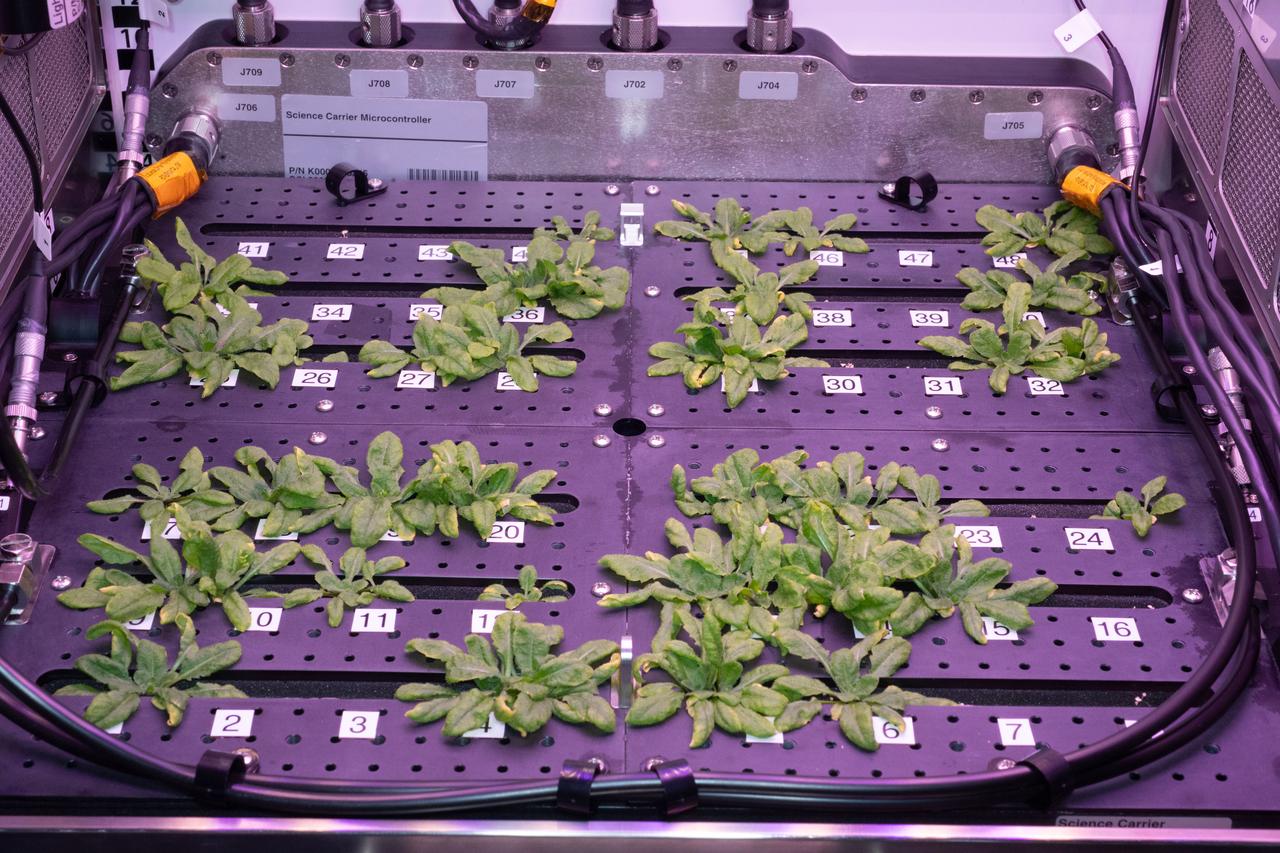
The Three Main Ingredients Plants Need to Make Food
A plant needs three basic ingredients to cook up a batch of sugar. If it misses even one, the kitchen shuts down. These ingredients are everywhere around us, but only plants know how to mix them together properly.
- Sunlight: Pure energy coming from 93 million miles away in space.
- Water: Drinks pulled up from deep ground soil by thirsty roots.
- Carbon dioxide: An invisible gas in the air that humans breathe out.
Roots act like long drinking straws beneath the soil. They suck up fresh rainwater and pump it up through the brown stem all the way to the tiny veins in every leaf. At the same time, tiny mouths on the bottom of the leaf, called stomata, open up to gulp down carbon dioxide gas from the cool breeze.
Once all three ingredients are inside the leaf cells, the leaf is ready to mix them up. The plant uses the power of light to break apart the water molecules and the air gas, rearranging their small parts into brand new tiny pieces.
Step 1: Catching the Light Energy
The very first phase of making plant food happens only during daylight hours. We call this the light reaction phase. Sunlight streams down and slams straight into the chlorophyll sitting inside tiny green sacks called chloroplasts.
When light hits chlorophyll, it wakes up small parts called electrons. These tiny bits start moving fast, like little bouncy balls dropped on a hard floor. The plant catches this bouncing energy and stores it inside chemical battery packs. The plant uses these full batteries to power the next steps of making food.
During this fast step, the plant takes water from its roots and splits it apart. Water is made of hydrogen and oxygen. The plant keeps the hydrogen to build food later, but it does not need the extra oxygen. So, it shoots the oxygen gas out into the cool air through its leaf pores.
Every breath of fresh air you take right now exists because a plant split water apart earlier today. A single large oak tree can drop out enough fresh oxygen in one summer season to keep two human beings breathing for a whole year. That is a lot of work for a quiet tree.
Step 2: Building Real Sugar Out of Air
Now the plant has stored energy and fresh hydrogen from water. But it still needs to make solid food. This next phase is called the dark reaction, or the Calvin cycle, because it does not need direct sunlight to keep moving forward.
The leaf takes the carbon dioxide gas it pulled from the air and mixes it with the hydrogen it saved. Using its stored chemical batteries, it cooks these gases into a simple, sweet sugar called glucose. Glucose is the true fuel of the plant kingdom.
Glucose gives plants the raw power to grow tall branches, push out sweet pink flowers, and sprout deep roots through tough dirt. Some of this fresh sugar gets used right away for daily life. The rest gets linked together into long chains called starch, which the plant saves for dark nights or cold winter months when sunlight is scarce.
Think of starch like a pantry full of canned food. When a fruit tree drops its leaves in late fall, it sleeps all winter by slowly eating the starch it saved during the hot summer. When warm spring weather returns, it uses that stored sugar energy to pop out brand new baby green leaves.
Why Plants Are the Power House of Our Planet
Humans cannot eat light directly. If you stand out under the hot sun all afternoon with your arms open, you will not feel full. You will just get thirsty and sunburned. We rely on plants to catch light energy and pack it into solid food for us.
When you eat a red apple, a bowl of yellow corn, or a crispy green salad, you are eating sunshine that was trapped by a plant just a few weeks ago. Even when you eat chicken or beef, you are using energy that came from grass that caught light from the sun. Every bite of food on your dinner plate traces back to a leaf doing photosynthesis.
Photosynthesis also keeps our air cool and balanced. Modern human life produces massive amounts of waste, like when big systems lose control during a $6 Billion Cryptocurrency Heist Shakes Investor Confidence event, but nature keeps its balance through quiet green leaves. Plants scrub the air clean by sucking up extra carbon dioxide that comes from car exhaust and factory chimneys, trading it back for clean air.
Tropical rainforests near the equator do a massive amount of this heavy cleaning work. The Amazon rainforest alone makes about twenty percent of the land-based oxygen on our planet. It acts like a giant green lung for the whole Earth.
Fun Facts About Green Leaf Power
Not all plants work at the exact same speed. Cacti that live in scorching hot deserts have to be very smart with their water. If they open their leaf pores during the hot day, all their water would evaporate into the dry air. So, they keep their pores tightly closed all day long.
Instead, cacti open their pores only at cool night to collect carbon dioxide air. They save the gas in a special storage cell, then wait for the sun to come up the next day to finish making their sugar food. This smart trick keeps them plump and green in places where rain almost never falls.
Deep down in the blue ocean, tiny sea plants called phytoplankton also do photosynthesis. Millions of these microscopic green specks float near the surface of the water, catching sunbeams that pass through the waves. Scientists estimate these tiny sea plants make over half of the oxygen in our whole atmosphere.
Even some sea slugs have learned to steal this green trick. The leaf sheep sea slug eats green algae and keeps the working chlorophyll inside its own see-through body. The slug turns bright green and can live off pure sunlight for months without eating anything else at all.
Looking at the Green World in a New Way
Next time you walk past a park or look at a house plant sitting on a sunlit windowsill, take a close look at the leaves. They are not just pretty green decorations hanging on brown stems. They are tiny solar engines working constantly to stay alive.
Every green leaf is silently sucking in thin air, pulling up ground water, and catching fast sunbeams to cook up sweet sugar. At the exact same time, it is pumping out the fresh air that keeps your lungs working. It is the most important cooking show on Earth, and it happens silently all around us every single day.
Try putting a small green house plant on a bright table near your window this week. Watch how its leaves slowly turn themselves over a few days to point straight at the coming morning light. It is just looking for its next big meal.
Comments
Post a Comment