Springfield Plans Full Ban on Crypto Kiosks to Stop Scams Skip to main content

Springfield Plans Full Ban on Crypto Kiosks to Stop Scams

Springfield Plans Full Ban on Crypto Kiosks to Stop Scams

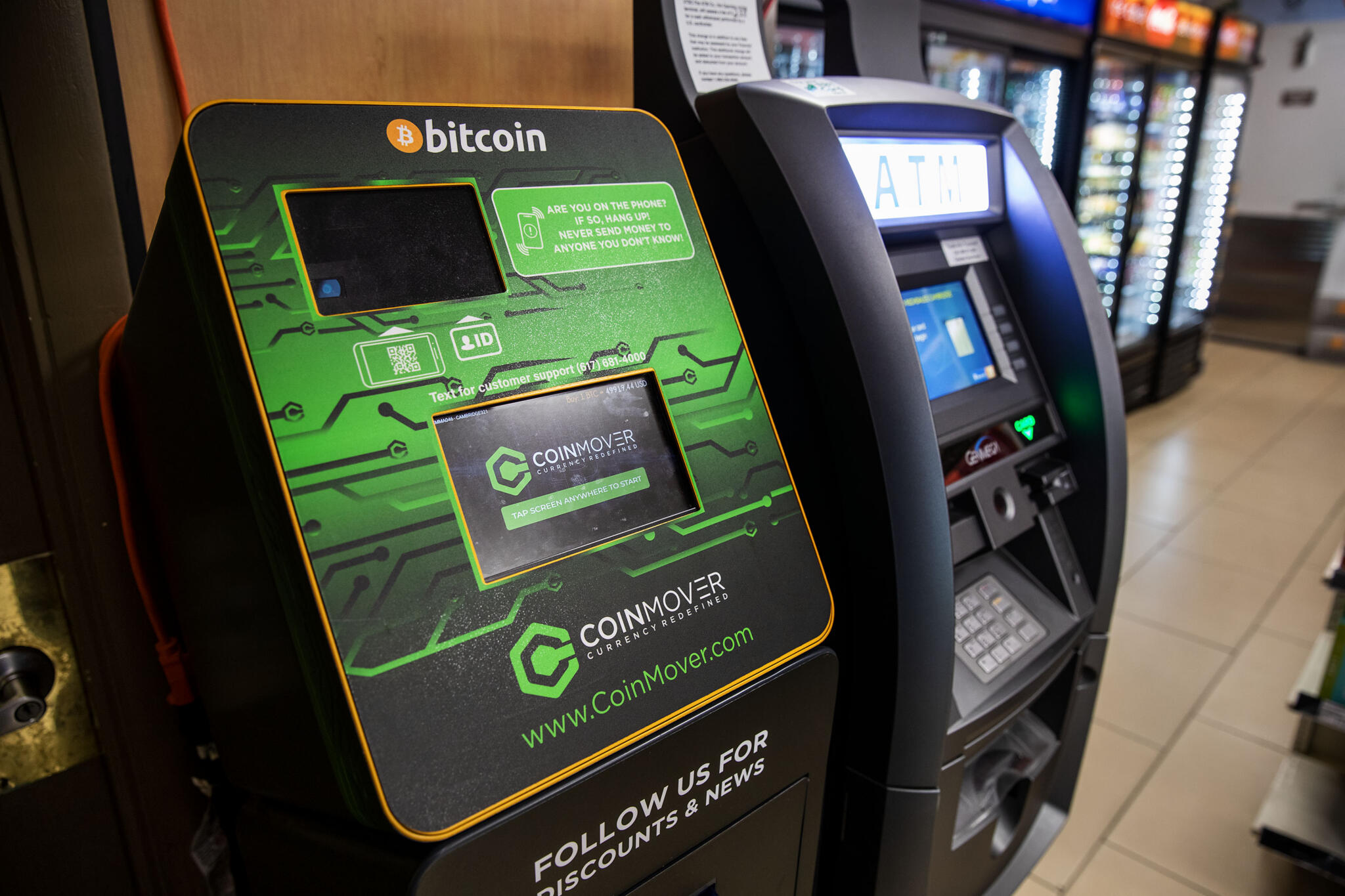
Springfield City Council is getting ready to consider a full ban on cryptocurrency kiosks. Local leaders want to stop scammers from tricking people into sending cash through these machines. If approved, the rule will remove the kiosks completely across the entire city.

Why is Springfield banning crypto kiosks?

City officials want to block criminals from using local machines to steal money. Fraudsters often call victims on the phone, pretend to be government workers, and demand quick payments. They tell the victims to deposit physical cash into local machines that handle cryptocurrency. Once the cash enters the machine, the money is gone instantly.

Police departments and town boards across many regions face this exact problem every week. Scammers target older people who do not know how digital coins work. A total ban removes the tools that criminals use right in the neighborhood. Springfield leaders hope the rule keeps residents from losing their life savings in minutes.

How scammers use kiosks to steal money

Criminals prefer cash machines because the transactions happen fast and cannot be reversed. These operations are a major part of the rise in cryptocurrency and crime today. A victim receives a fake alert about a fine, a problem with their bank, or an unpaid bill. The fraudster creates a sense of panic so the person does not have time to think clearly.

Here are the common tricks scammers use around these machines:

  • Fake threats: Callers claim the police will arrest the person if they do not pay immediately.
  • Urgent demands: The thief tells the victim to drive to a specific local kiosk right away.
  • QR codes: Scammers send a digital code that routes the money directly into their own private wallet.

What this ban means for ordinary people

For everyday residents, the ban means fewer options to buy digital coins in town. Anyone who wants to buy or sell coins will need to use registered online exchanges instead of walking to a corner store. While that extra step takes more time, it adds basic checks that protect regular people. It also forces buyers to wait, which can help someone realize they are dealing with a fake caller.

Store owners who host these kiosks will also see a change. Some small businesses rent floor space to kiosk operators to earn a steady monthly fee. A total ban will force owners to remove the hardware from their retail shops. Most community members, however, welcome any rule that keeps bad actors away from vulnerable neighbors.

What happens next with the city vote

The proposal will soon go before the Springfield City Council for a formal vote. Council members will listen to concerns from local residents and business owners before making their final choice. If the members agree that fraud is too high, they will vote to make the ban official law. The city will then set a clear timeline for companies to shut down their machines.

Other nearby towns will likely watch what Springfield decides. If the kiosk ban works and fraud reports drop, more cities might pass the same rules. People who hold digital coins should follow local government meetings to see how retail rules are changing. Watching these votes helps everyone know where they can safely buy digital assets.

Comments

Popular posts from this blog

Why is the Ocean Salty? The Surprising Reason Behind the Salt

Photo: NASA The ocean is salty because rocks on land slowly break down and wash into the sea. Rain falls on hills and mountains, picks up tiny bits of mineral salt, and carries them down rivers. Every year, rivers dump billions of tons of this dissolved salt right into the open water. It sounds simple, but the process takes millions of years. Water evaporates from the sea to make fresh rain, but it leaves all the salt behind. That makes the water get saltier and saltier over time. If you took all the salt out of the sea and spread it over the land, it would form a layer as tall as a 40-story building. Rain Slowly Melts the Rocks on Land It all starts up in the sky with normal rainwater. As rain falls through the air, it mixes with a gas called carbon dioxide. This turns the water just a tiny bit acid. You cannot feel it, and it will not hurt your skin, but it is enough to affect hard stone. When this weak rain hits rocks on the ground, it eats away at them very slowly. It brea...

Binance Hack Shows Crypto Fighting Massive Attackers

A huge Binance hack shows that the crypto industry still faces a massive fight against online thieves. Skilled attackers are finding new ways to breach security and steal digital funds. This event proves that even the biggest exchanges struggle to protect user money from bad actors. What Does the Binance Hack Mean for Crypto Security? The recent attack on Binance highlights the huge security challenge that digital currency platforms face every single day. Hackers use very clever tricks to break into exchange systems and take funds. Even with big budgets and top experts, platforms must constantly update their defenses to stay safe. For ordinary people, this news is a clear warning about holding coins on an exchange. When you keep your funds on a centralized website, you rely entirely on their security systems. Many users now look into private wallets so they can hold their own keys safely. How Do Hackers Target Major Crypto Exchanges? Hackers look for any small weakness in cod...

Bitcoin price drop in November looks like past crashes

Bitcoin is currently facing a sharp price drop during the month of November. This downward move is very similar to other big drops the coin has seen in its past. Investors are watching the charts closely as the market feels the heat of this latest rout. Why is the Bitcoin price falling right now? Bitcoin often goes through cycles where the price goes up very fast and then falls down quickly. This November rout is a reminder that the digital currency can be very volatile for anyone holding it. Many people call these moments a market downturn because the value of the coins stays low for a long time. When the price drops like this, it echoes what happened in previous years when the market cooled off. History shows that Bitcoin does not always go up in a straight line. These patterns help experts try to guess what might happen next, even if they cannot be sure of the exact date things will change. How does this compare to past crypto downturns? In the past, these types of price dro...