States and Cities Move to Ban Cryptocurrency Kiosks Skip to main content

States and Cities Move to Ban Cryptocurrency Kiosks

States and Cities Move to Ban Cryptocurrency Kiosks

States and cities are taking quick action to ban cryptocurrency kiosks across the country. Local leaders are moving to block these cash machines because bad scams are mounting fast. People are losing their hard earned money at these physical terminals every single day.

Why are local leaders taking action against cryptocurrency kiosks now?

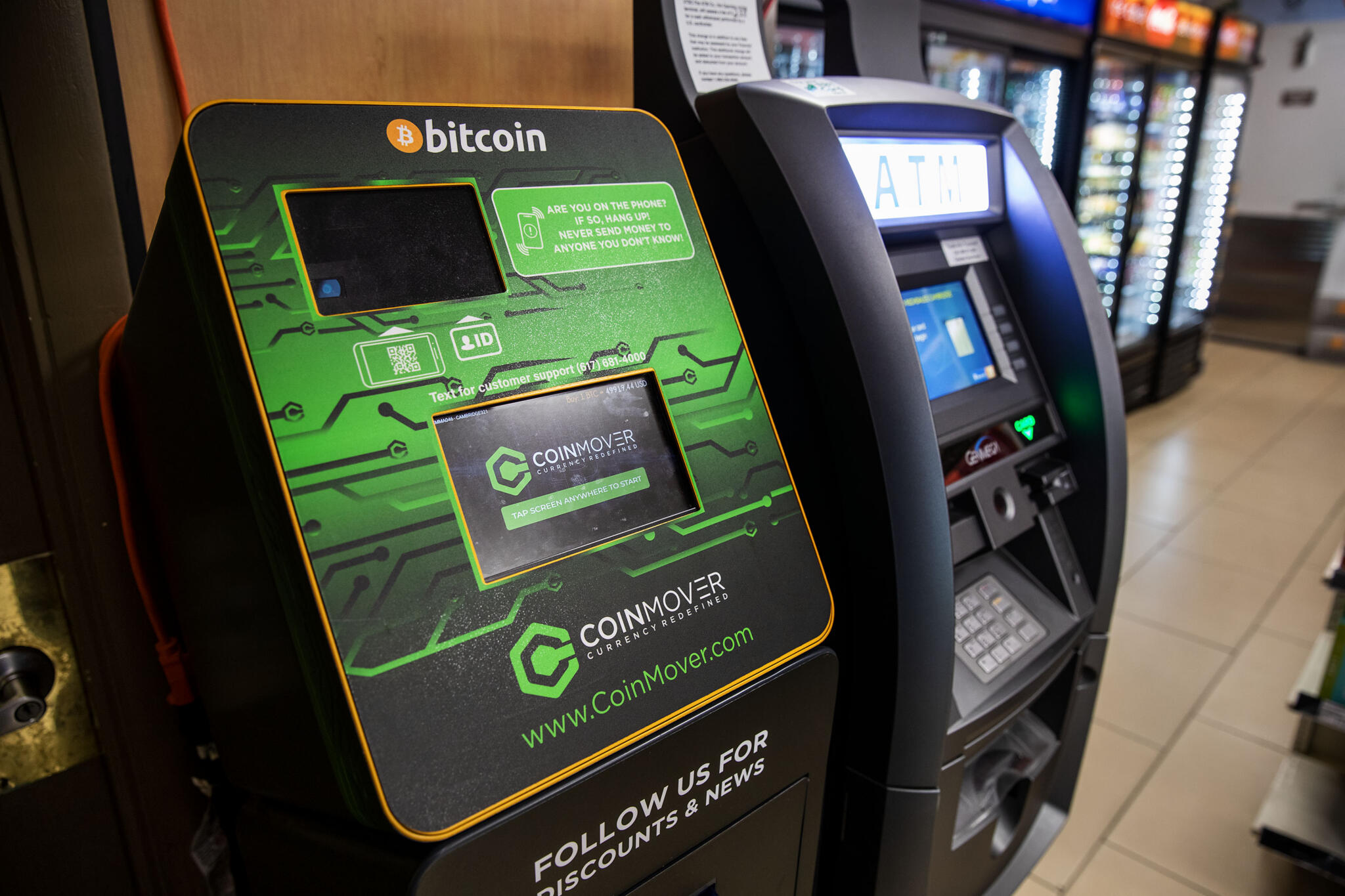
Many local governments see physical crypto machines as a major danger to everyday consumers. Scammers often trick victims into taking cash out of their personal bank accounts. Then they tell the victims to feed that money into a local terminal to send funds to criminal accounts.

Because these payments happen right away, people cannot get their stolen money back. Police departments report that elderly citizens get targeted by these bad tricks most often. City councils want to stop these bad trades by removing the physical machines completely from local stores and gas stations.

How do cryptocurrency kiosks work and why do they cause scams?

These machines look like regular bank ATMs, but they do not connect to a local bank. Instead, they let anyone trade cash for digital coins like Bitcoin or Ether. The machines take cash instantly and send digital money to a code on a phone screen.

Criminals take big advantage of how simple these terminals are to use. They push people to act in a big hurry before the victim has time to think or call a friend for help. This abuse of local cash terminals is a clear case of cryptocurrency and crime happening right in local neighborhoods.

What does a ban on cryptocurrency kiosks mean for everyday users?

If your local area passes a ban, you will not see these machines in your neighborhood corner store anymore. You will have to use official online exchanges if you want to trade digital coins. These new rules will make it harder for scammers to force victims into sending cash in a quick hurry.

The main points of these new city and state rules include:

  • Stopping new machines from opening inside local stores.
  • Removing current physical terminals from gas stations and shops.
  • Protecting elderly people from fake urgent calls that demand cash payments.
  • Reducing local cash crimes tied to anonymous digital money transfers.

What should you watch for next as more areas pass bans?

More cities and state leaders will likely introduce matching rules in the coming months. As news of these scams spreads, leaders want to shield their local towns from bad financial losses. You should check your local news to see if your city is planning a full ban on these machines.

In the meantime, remember that no real business or official office will ever demand that you pay them at a cash machine. If someone calls and tells you to put cash into a local terminal, it is a scam. Stay safe by hanging up the phone and telling your friends about these fake demands.

Comments

Popular posts from this blog

Why is the Ocean Salty? The Surprising Reason Behind the Salt

Photo: NASA The ocean is salty because rocks on land slowly break down and wash into the sea. Rain falls on hills and mountains, picks up tiny bits of mineral salt, and carries them down rivers. Every year, rivers dump billions of tons of this dissolved salt right into the open water. It sounds simple, but the process takes millions of years. Water evaporates from the sea to make fresh rain, but it leaves all the salt behind. That makes the water get saltier and saltier over time. If you took all the salt out of the sea and spread it over the land, it would form a layer as tall as a 40-story building. Rain Slowly Melts the Rocks on Land It all starts up in the sky with normal rainwater. As rain falls through the air, it mixes with a gas called carbon dioxide. This turns the water just a tiny bit acid. You cannot feel it, and it will not hurt your skin, but it is enough to affect hard stone. When this weak rain hits rocks on the ground, it eats away at them very slowly. It brea...

Binance Hack Shows Crypto Fighting Massive Attackers

A huge Binance hack shows that the crypto industry still faces a massive fight against online thieves. Skilled attackers are finding new ways to breach security and steal digital funds. This event proves that even the biggest exchanges struggle to protect user money from bad actors. What Does the Binance Hack Mean for Crypto Security? The recent attack on Binance highlights the huge security challenge that digital currency platforms face every single day. Hackers use very clever tricks to break into exchange systems and take funds. Even with big budgets and top experts, platforms must constantly update their defenses to stay safe. For ordinary people, this news is a clear warning about holding coins on an exchange. When you keep your funds on a centralized website, you rely entirely on their security systems. Many users now look into private wallets so they can hold their own keys safely. How Do Hackers Target Major Crypto Exchanges? Hackers look for any small weakness in cod...

Bitcoin price drop in November looks like past crashes

Bitcoin is currently facing a sharp price drop during the month of November. This downward move is very similar to other big drops the coin has seen in its past. Investors are watching the charts closely as the market feels the heat of this latest rout. Why is the Bitcoin price falling right now? Bitcoin often goes through cycles where the price goes up very fast and then falls down quickly. This November rout is a reminder that the digital currency can be very volatile for anyone holding it. Many people call these moments a market downturn because the value of the coins stays low for a long time. When the price drops like this, it echoes what happened in previous years when the market cooled off. History shows that Bitcoin does not always go up in a straight line. These patterns help experts try to guess what might happen next, even if they cannot be sure of the exact date things will change. How does this compare to past crypto downturns? In the past, these types of price dro...