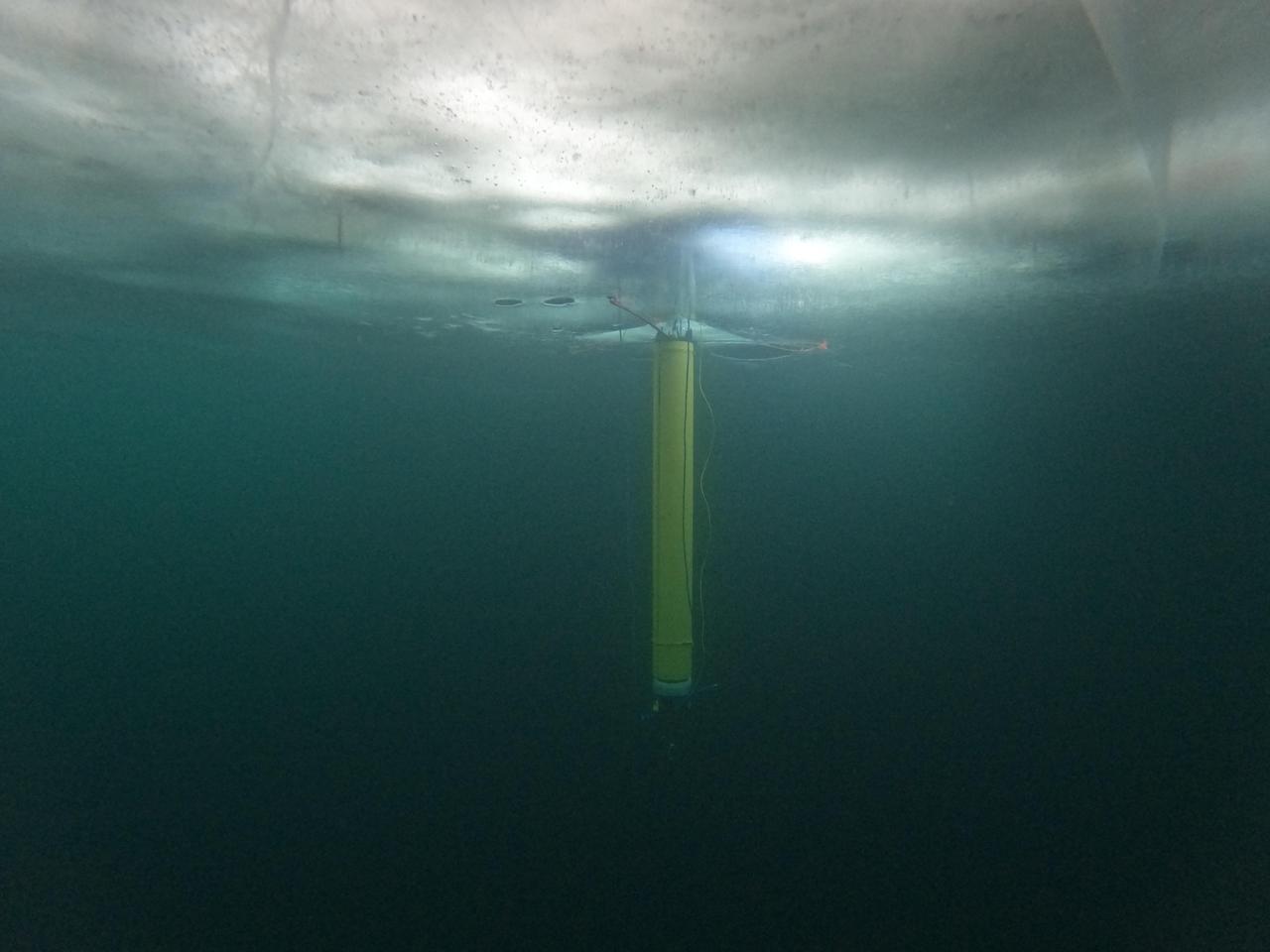
The ocean is salty because rocks on land slowly crumble and wash into the sea. This process takes millions of years to fill the massive basins of our world with salt. Every time it rains, the water carries a tiny bit of minerals from the ground down into the waves.
Most of the salt in our seas comes from regular rocks on the dry ground. Rainwater is slightly acidic because it picks up carbon dioxide from the air. This weak acid eats away at the rocks, breaking them into tiny pieces called ions. These ions, like sodium and chloride, travel through small streams and big rivers until they reach the coast. Once they get to the ocean, they stay there, while the sun turns the water back into clouds to start the cycle over again.
Why is the ocean salty but rivers are fresh?
Rivers are not actually pure water. They contain very small amounts of salt that they picked up from the soil. You cannot taste it because the water is moving fast and the amount is very low. A gallon of river water might only have a tiny pinch of salt in it. That is why we call it fresh water.
The ocean is different because it acts like a giant bowl that never gets emptied. Water leaves the ocean through evaporation, which means the sun heats it up until it turns into gas. This gas rises up to make clouds. When water evaporates, it leaves all the heavy salt behind. Over billions of years, the salt has built up to the high levels we see today.
Think about a pot of soup on the stove. If you let it boil for a long time, the water goes away as steam but the salt stays in the pot. The soup gets saltier and saltier as the water disappears. The ocean works the same way on a much bigger scale. It is amazing to think that the human body actually needs some of these same salts to work, just not in the huge amounts found in the sea.
How much salt is really in the sea?
If you took all the salt out of the ocean and spread it over the land, it would be very thick. It would create a layer about 500 feet high. That is as tall as a 40 story building covering every single continent. There is about 50 million billion tons of salt in the water. That is a number so big it is hard to even imagine.
Scientists measure this by looking at salinity. On average, sea water is about 3.5 percent salt. This means in every liter of water, there are about 35 grams of salt. That is about seven teaspoons of the stuff you have in your kitchen. It sounds like a little bit, but when you think about how deep and wide the ocean is, it adds up fast.
Some parts of the ocean are saltier than others. Near the equator, the sun is very hot and evaporates water quickly. This makes the water there extra salty. Near the North and South Poles, melting ice adds fresh water back into the sea. This thins out the salt and makes the water less intense. You can learn more strange facts about the human body you never knew and how our own sweat is salty for similar reasons.
Where does the rest of the salt come from?
While rocks on land provide most of the salt, the ocean floor helps too. Deep down in the dark parts of the sea, there are cracks called hydrothermal vents. These are like underwater chimneys. Cold sea water seeps down into the hot crust of the earth through these cracks. The water gets super heated by the hot rock and minerals below.
As the water heats up, it dissolves minerals from the surrounding rock. Then it shoots back up into the ocean through the vents. This adds even more salt and minerals to the mix. It is like a giant plumbing system that keeps the ocean full of minerals. Volcanoes on the ocean floor also erupt and release chemicals that turn into salt.
There are also huge domes of salt buried under the sand at the bottom of the sea. These formed millions of years ago when old seas dried up completely. Now, the ocean water slowly washes over these domes and picks up even more salt. It is a constant cycle that never stops. For more information on how the world works, you can check out this page on Science to see how we study these cycles.
Can you drink sea water if you are thirsty?
You should never drink sea water. It might look clear and pretty, but it is dangerous for humans. Our bodies are very careful about the balance of salt and water. If you drink salt water, your body has to find a way to get rid of that extra salt. To do that, your kidneys have to use even more water to wash the salt out.
This means drinking sea water actually makes you thirstier. It pulls water out of your cells and makes you dry inside. Even though the ocean covers most of our planet, we cannot use it for drinking unless we take the salt out first. This process is called desalination, and it is very hard and expensive to do. Most cities still rely on rain and rivers for their water needs.
Animals that live in the ocean have special ways to deal with this. Some sea birds have a special part in their beaks that filters out the salt. They can drink the water and then sneeze the extra salt out of their noses. Sea turtles have special tears that help them get rid of salt. It is a smart way to survive in a place where the water is too salty to drink normally.
Does the ocean get saltier every year?
The ocean has stayed at about the same level of saltiness for hundreds of millions of years. This is because the ocean has a way of getting rid of salt at the same speed it gets it. This is called a steady state. Tiny sea creatures use the minerals in the water to build their shells and skeletons. When they die, they sink to the bottom and take those minerals with them.
New rocks also form on the sea floor that soak up some of the minerals. This balance keeps the sea from becoming a giant block of salt. If the ocean kept getting saltier, most of the fish and plants we see today would not be able to live there. Life in the sea is very picky about the environment it lives in.
You can find more science facts about the ocean and how it supports life on our main page. It is amazing to see how nature balances everything out. The salt is not just a waste product. It helps the water stay liquid at lower temperatures and helps move the big ocean currents around the globe. These currents act like a conveyor belt that moves heat from the warm equator to the cold poles.
Why are some lakes salty?
Most lakes are fresh because they have an exit. Water flows in from one side and flows out the other side through a river. This means the salt never has a chance to stay and build up. But some lakes, like the Great Salt Lake or the Dead Sea, do not have an exit. Water can only leave through evaporation.
In these special lakes, the salt builds up even faster than it does in the ocean. The Dead Sea is so salty that you can float on top of it without even trying. The water is much heavier than regular water because of all the minerals packed inside. It is so salty that almost nothing can live in it, which is why it has that name.
These lakes show us what would happen to the ocean if it did not have a way to recycle its minerals. They are like small versions of the ocean that have gone a bit too far. Scientists love studying these places because they tell us a lot about the history of our planet. They show us how the climate has changed over thousands of years as the water levels rose and fell.
Next time you visit the beach and taste a bit of salt on your lips, think about the long journey it took. That salt might have been part of a mountain millions of years ago. It traveled through rain, over rocks, and down long rivers just to reach the waves. It is a tiny piece of the earth history sitting right there on your skin. Have you ever tried to find a piece of sea salt in the sand?
Comments
Post a Comment