The sky is blue because sunlight hits the gases in our air and scatters in every direction. Blue light travels in smaller, shorter waves, so it gets scattered more than the other colors. This is why you see a bright blue glow when you look up on a clear day.
Sunlight looks white to us, but it is actually a mix of all the colors in the rainbow. When this white light reaches Earth, it crashes into the molecules of gas that make up our atmosphere. These tiny bits of oxygen and nitrogen act like tiny obstacles for the light. Most colors pass right through, but blue light hits these particles and bounces around like a ball in a pinball machine. That bouncing is what fills the whole sky with color.
How sunlight is made of many colors
Light from the sun might look plain, but it holds a secret. It is a blend of red, orange, yellow, green, blue, indigo, and violet. You can see this for yourself if you hold a glass prism up to a window. The glass bends the light and spreads it out into a beautiful rainbow on your wall.
Each of these colors has a different wavelength. Think of wavelengths like the size of steps a person takes. Red light takes long, lazy steps. Blue light takes very short, quick steps. Because blue waves are so small and choppy, they are much more likely to hit things in the air. Long red waves can easily hop over the tiny gas molecules without touching them.
I remember being ten years old and trying to use a flashlight to make a "sky" in a glass of milky water. The tiny bits of milk in the water act just like the gas in the air. If you shine the light through, the water looks a bit blue from the side. It is amazing to think that the same rules of basic science apply to a glass of water and the entire planet.
What is Rayleigh scattering?
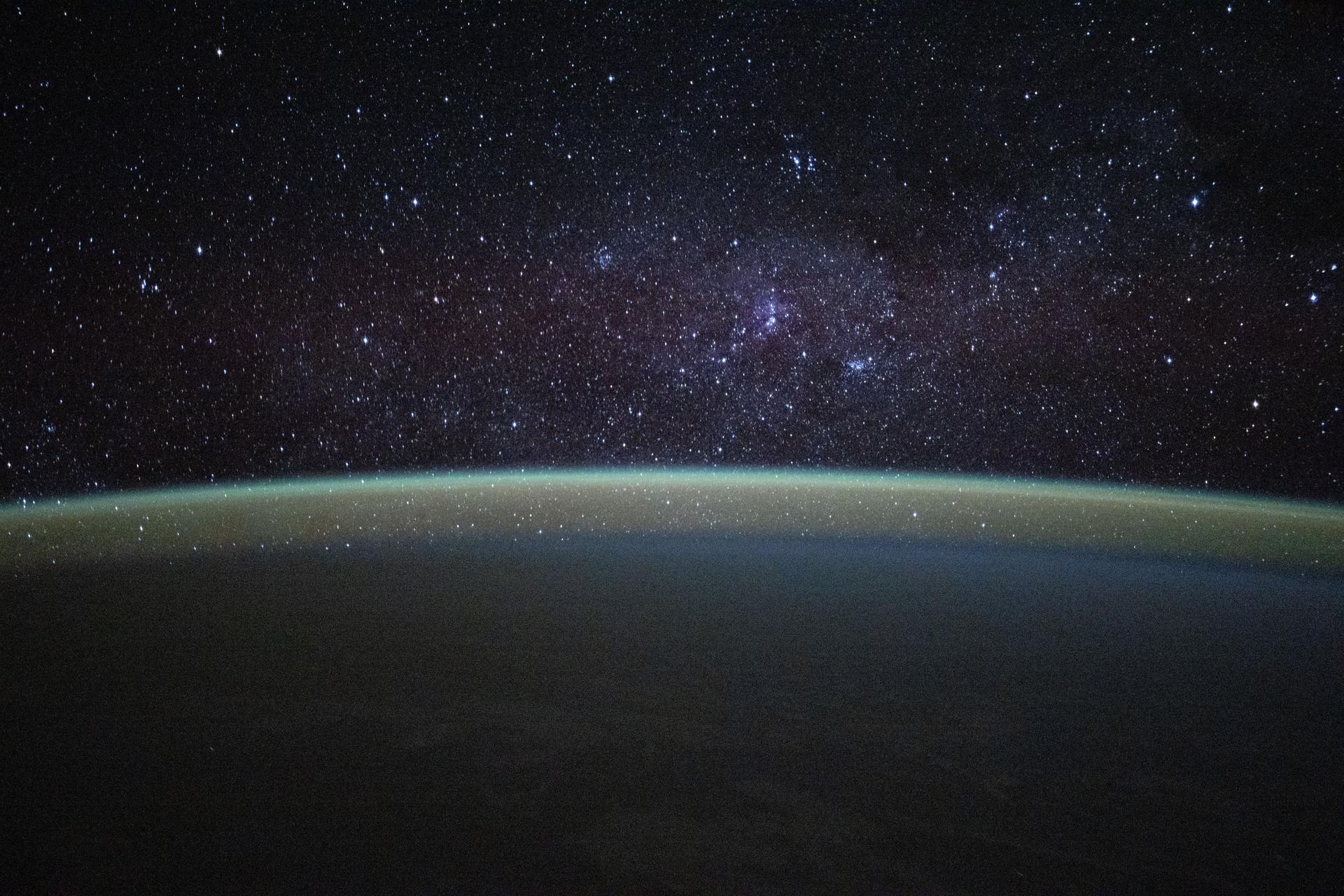
Scientists have a special name for this effect. They call it Rayleigh scattering. It is named after a man called Lord Rayleigh who studied light a long time ago. He figured out that the way light scatters depends on the size of the particles it hits.
The air is mostly made of nitrogen and oxygen. These molecules are much smaller than the wavelength of visible light. When sunlight hits them, the shorter waves like blue and violet get grabbed and tossed in all directions. Since our eyes are more sensitive to blue than violet, we see a blue sky instead of a purple one.
If the air was made of much bigger chunks of stuff, the sky would look different. On a day with lots of dust or smog, the sky can look hazy or white. This happens because the larger particles scatter all the colors of light about the same amount. When all the colors mix back together, they turn white again.
Why the sky is blue instead of violet
You might wonder why the sky isn't violet. Violet light has even shorter waves than blue light, so it should scatter even more. Technically, the upper atmosphere is glowing with violet light. However, there are two reasons we don't see it that way.
First, the sun doesn't send out as much violet light as it does blue light. Most of the sun's energy is in the middle of the color spectrum. Second, human eyes are just not very good at seeing violet. Our eyes have three types of color receptors. They respond most strongly to red, green, and blue. The blue receptors are much better at picking up the scattered blue light than the violet light.
Our brains combine the signals from our eyes to give us the final picture. Since we get a huge signal for blue and a tiny one for violet, our brain just says "the sky is blue." It is a team effort between the sun, the air, and our own bodies. You can learn more about how your senses work by reading about the human body and how it reacts to the world around us.
What happens at sunset?
As the sun gets lower in the sky, the light has to travel through much more air to reach your eyes. By the time the light gets to you, the blue light has been scattered away completely. It has bounced off so many times that it never reaches your spot on the ground.
This leaves only the long waves like red and orange. These colors can make the long trip through the thick air without getting lost. This is why a sunset looks like a fire in the sky. The light is being filtered, leaving only the warm colors behind for us to enjoy.
If you live in a place with a lot of salt in the air near the ocean, sunsets can be even brighter. Sometimes the light reflects off the water and the clouds at the same time. While you watch the sun go down, you might think about how lightning works to light up the dark sky once the sun is totally gone. Both events are just light interacting with the atmosphere in different ways.
The sky on other planets
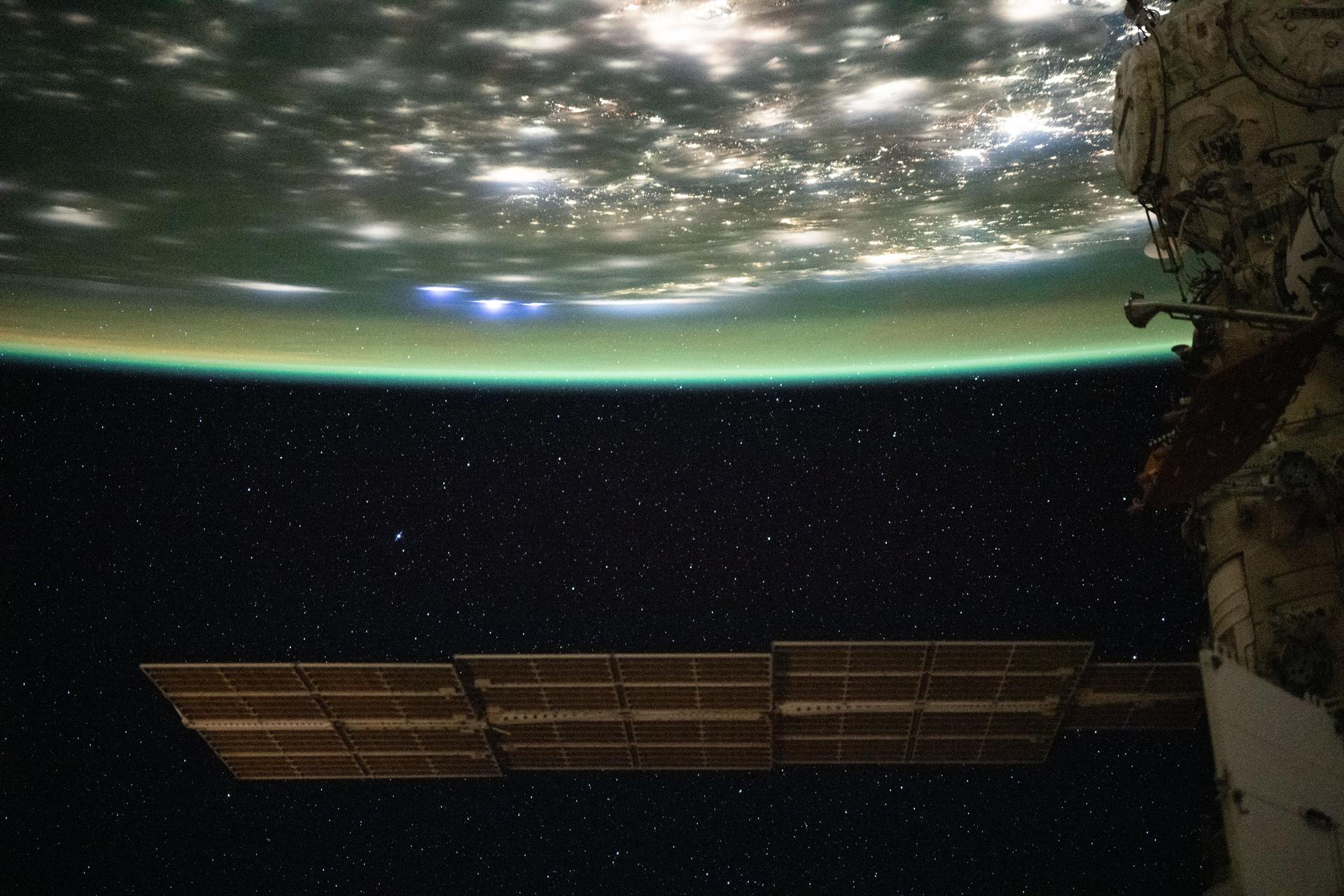
Earth is lucky to have a blue sky. If you went to the Moon, the sky would look black even during the day. This is because the Moon has no atmosphere. There is no gas to scatter the sunlight. You would see the sun as a bright white ball against a pitch-black background of stars.
Mars has a very thin atmosphere made mostly of carbon dioxide. During the day, the Martian sky often looks pink or brownish because of all the red dust floating in the air. But here is the weird part. On Mars, the sunsets are actually blue! The dust particles on Mars are just the right size to scatter blue light forward toward your eyes when the sun is low.
It is fun to imagine standing on another world and seeing the colors flipped. It makes you realize how much we depend on our specific mix of gases. Our air protects us and gives us the blue view we love. For more stories about our world, check out our science blog about the atmosphere and other cool facts.
How clouds and weather change the color
Clouds are made of water droplets that are much bigger than gas molecules. Because they are big, they scatter all colors of light equally. This is why clouds look white. They are just reflecting the full white light of the sun back at you.
When a cloud gets very thick and full of water, it starts to look grey or black. This is because the cloud is so dense that light cannot get through to the bottom. It isn't changing color, it is just in the shade. If you were flying in a plane above that same dark storm cloud, it would look bright white from the top because it is reflecting the sun.
After a rainstorm, the air is often very clear because the rain washed away the dust. This is when the blue of the sky looks the deepest. There are fewer "big" things to mess with the light, so only the tiny gas molecules are doing the work. It is the perfect time to take a photo or just sit outside and look up.
Why we should care about the sky
The blue sky is more than just a pretty view. It is a sign that we have a healthy atmosphere that supports life. The same air that scatters light also keeps us warm and gives us oxygen to breathe. Without this blanket of gas, Earth would be a cold, dead rock.
Next time you are outside, take a moment to really look at the horizon. Notice how the blue is lighter near the ground and darker straight above you. This happens because the light from the horizon has to pass through more air, so it gets scattered a second and third time. This extra scattering mixes the colors back together slightly, making the blue look pale.
The world is full of these small details that we often miss. Understanding why the sky is blue makes a simple walk outside feel like a science experiment. It is a reminder that there is a reason for everything, even the color of the air. What other things in nature have you noticed lately that seem hard to explain?
Comments
Post a Comment