
Plants make food from light every single day right outside your window. They do not eat sandwiches or soup like we do. Instead, green leaves catch sunlight and turn it into real energy to grow big and strong.
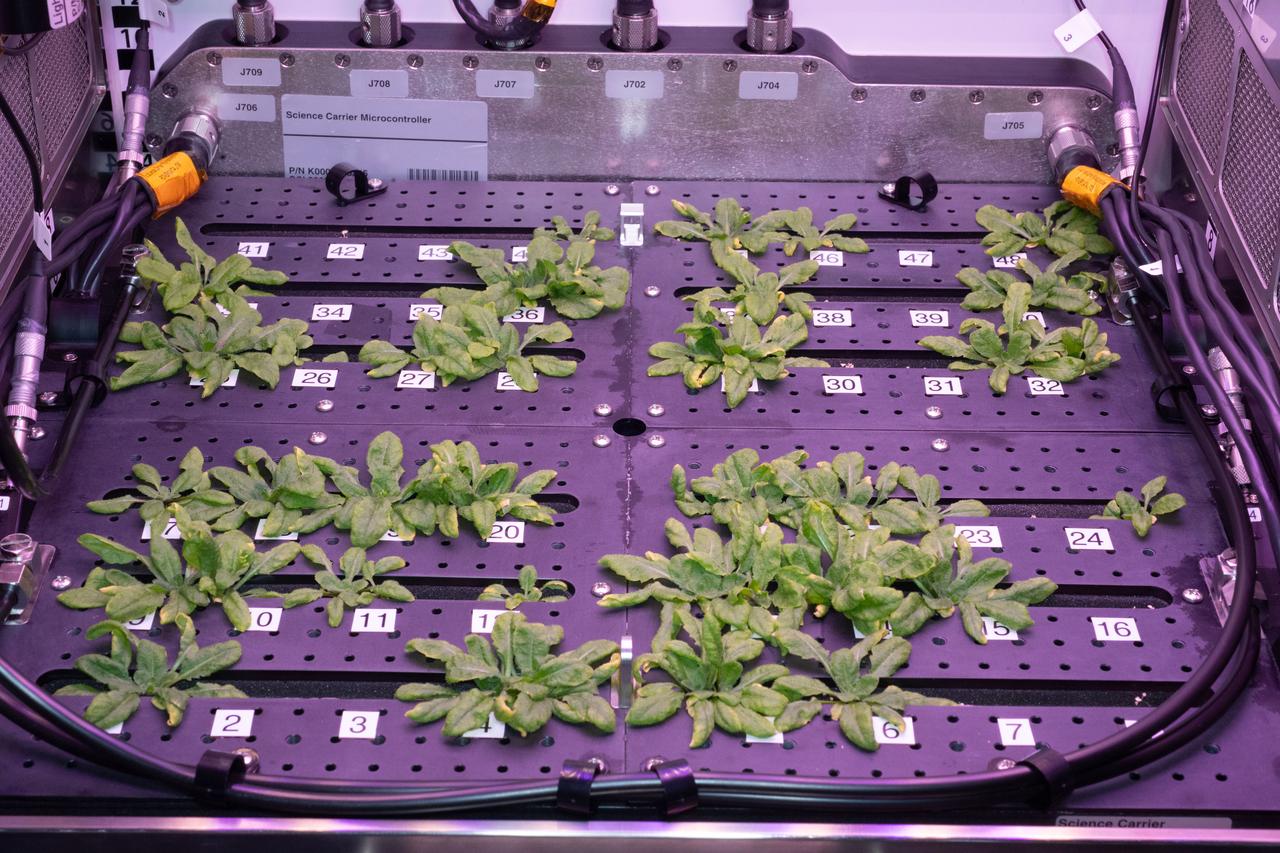
How plants make food from light comes down to a special process called photosynthesis. A plant takes sun rays, water from the dirt, and air from around its leaves. Then, inside tiny green factory cells, it mixes them all together to create sugar.
The Simple Recipe Inside Every Leaf
Think of a plant leaf as a tiny kitchen. It only needs three main ingredients to cook up a meal. The first ingredient is sunlight, which pours down from the sky. The second is water, which the roots drink up from the dirt below.
The third ingredient comes right out of the air. It is a gas called carbon dioxide. You breathe this gas out every time you exhale. The plant pulls it in through tiny invisible mouth spots on its leaves called stomata. If you look at a big oak tree, it has millions of these little spots open all day long.
When these three things meet inside the leaf, the magic happens. The energy from the light breaks apart the water and gas molecules. Then, the plant rebuilds those pieces into sweet sugar. That sugar is the real food that helps the plant build new stems, roots, and bright flowers.
The Green Helper Inside the Cells
Why are most plant leaves green? They hold a special green stuff called chlorophyll. You can think of chlorophyll as tiny solar panels tucked inside every cell. It traps the light so the leaf can use the power.
Chlorophyll loves blue and red light best. It catches those colors from the sun and uses their energy. But it does not like green light very much. It bounces the green light right back off the leaf. That bounced light hits your eye, which is why your garden looks so bright and green.
Inside a tiny single leaf, there are millions of these microscopic solar panels working at the same time. If a plant stays in a dark closet for a week, these panels fall asleep. The leaves turn pale yellow because they cannot catch any light to make their food. Just like why the sky is blue and how light plays with our air, sun rays do amazing things when they hit our world.
How Do Plants Make Food From Light Step by Step?
Let us look close at how this kitchen works step by step. It happens super fast, thousands of times every minute. You can learn more about this on the Photosynthesis page, but the steps are easy to picture in your head.
- Step 1: Water up the stem. Roots suck up fresh water from the soil. That water travels all the way up through tiny tubes to the leaf tip.
- Step 2: Air in the leaf. The leaf opens its tiny mouth pores to let in air. It traps the carbon dioxide inside.
- Step 3: Light strikes. Sunlight hits the green chlorophyll spots. The energy acts like a tiny spark inside the cell.
- Step 4: Mixing it up. Light breaks the water into hydrogen and oxygen. It pairs the hydrogen with the air gas to make sugar.
- Step 5: Fresh air out. The plant keeps the sugar for food. It lets out the leftover oxygen into the air for us to breathe.
This simple cycle keeps our whole world running smoothly. Without plants cooking up this food, we would run out of clean air to breathe very quickly.
What Plants Do With Their New Food
Once the leaf creates the sugar, what happens next? The plant does not eat it all at once. It packs the sugar up and sends it through small pipes to every branch and root tip.
Some of this sweet food gets used right away for fast growing. It helps a soft green sprout push right up through hard black dirt. Other times, the plant turns the sugar into tough woods and bark. That is how a tiny seed grows into a huge pine tree that weighs thousands of pounds.
If a plant makes extra food, it stores the surplus for later. Potato plants send extra food down into underground lumps. Apple trees hide sweet food inside crisp red fruits for animals to eat. When you eat a carrot or an ear of corn, you are eating sun energy that the plant stored away months ago.
Why Leaves Change Color in the Fall
During summer, days are long and bright. Plants make plenty of food and stay deep green. But when fall comes, days get short and cold. There is not enough bright sunlight to keep the green solar panels working.
The plant knows winter is coming. It shuts down its food factories to save energy. The leaf stops making green chlorophyll. As the green color fades away, other hidden colors inside the leaf finally get to show up.
You start to see bright yellows, deep oranges, and warm reds. Those yellow and orange colors were inside the leaf all summer long! The green was just so loud and strong that it hid them. Red colors are made fresh in fall as the leaf seals off its sugar supply. Learn more simple nature facts on our science and nature guide for curious minds.
Plants Help Keep Us Alive
This plant food system does something extra for humans and animals. When leaves make sugar, they create a leftover waste product. That waste is oxygen. The plant does not need it, so it puffs it back out into the sky.
Every breath you take right now has oxygen made by green leaves, grass, and tiny sea plants. A single big leafed tree can make enough fresh air in one summer for four people to breathe for a whole year. That is a pretty big gift from a neighbor that just sits in the dirt!
Out in the ocean, tiny floating plants do the same thing. They swim near the top of the water to catch sun rays. Scientists say these tiny ocean plants make over half of all the fresh air on Earth. Ocean plants work just as hard as big rainforest trees.
How Sunlight Energy Moves to You
Here is an amazing secret: almost all the energy in your own body came from sun light. How is that possible if you cannot eat sun rays?
It works like a chain. A corn stalk uses light to grow sweet yellow corn. A cow eats that green grass or corn. Then you eat the food made from that cow, or you eat the sweet corn straight off the cob. The energy moved from the sun, to the leaf, to the plant, and straight to you.
When you run fast on the playground, you are using recycled sunlight. Without green leaves doing their job every morning, our world would be cold and empty. Every green patch of grass is a busy food factory running on pure sun power.
Next time you walk past a green tree, touch one of its smooth leaves. Look closely at the top side. You are looking at a real solar powered food factory in action. Try growing a simple bean seed in a wet paper towel on your windowsill this week, and watch how it turns simple light into green stem growth right before your eyes.
Comments
Post a Comment